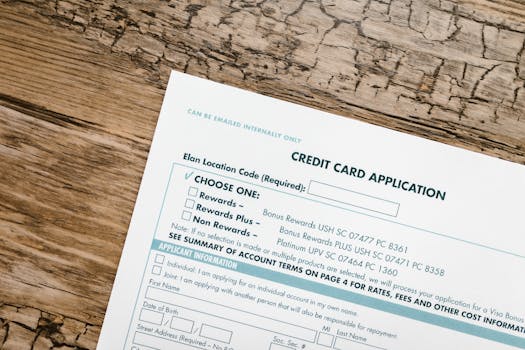
Everyone eventually faces a money decision that shapes their path. You might want to improve your business, tackle a home project, or manage unexpected bills with small loans or big ones.
Knowing what separates small loans from large loans helps you avoid debt regrets and pick a fit for your needs. The stakes change depending on how you borrow.
Let’s dig deep into small loans versus large loans, using real-life examples and actionable steps, so you can confidently act when the moment to choose arrives.
Comparing Borrowing Amounts: Selecting the Right Scale Shapes Your Experience
Your choice between small loans and large loans shifts everything: application steps, risks, and even repayment habits. Decide based on what you can realistically handle now.
If you borrow a small amount, expect relaxed approval and faster disbursal. Large loans, however, involve stricter verification, more paperwork, and deeper scrutiny by lenders.
Approval Demands: What to Expect for Each Loan Type
When applying for small loans, you may only need basic verification, like a valid ID and regular proof of income. Lenders act quickly, minimising headaches.
Large loans, such as for home buying or business expansion, require financial statements, collateral, and a polished credit record. This step slows the process but protects the lender.
To move swiftly, stick to small loans for smaller needs or quick fixes—say, “I just need N50,000 for a medical bill.” That’s a low-barrier scenario.
Repayment Terms: Matching Timelines to Amounts
With small loans, lenders usually offer short repayment periods, ranging from a few weeks to a year. This encourages disciplined payback, minimising interest.
Large loans come with extended timelines—sometimes several years or decades. That allows flexibility, but means staying committed to monthly payments longer.
If your budget can accommodate steady, long-term payments, large loans give you room to manoeuvre—think car loans or mortgages lasting up to 20 years.
| Feature | Small Loans | Large Loans | Key Takeaway |
|---|---|---|---|
| Typical Amount | Under N200,000 | Above N500,000 | Borrow only what you need; smaller sums mean lighter commitments |
| Approval Process | Fast, less paperwork | Slow, more documentation | Expect quick results for urgent needs with small loans |
| Repayment Term | 1 – 12 months | 12 – 240 months | Match the term to your ability to pay without stress |
| Interest Rate | Higher per month, lower total | Lower per month, higher total amount | Consider both rate and the length of time paying interest |
| Collateral Needed | Rarely required | Often required | Large loans commonly ask for a valued asset as security |
Evaluating Your Needs: Align Your Decision with Real Priorities
Your goal—not just the amount—determines whether small loans or large loans fit best. Matching the purpose leads to smart borrowing and smoother repayments for Nigerians.
Buying school supplies, replacing a phone, or handling utility bills? Choose small loans; they’re efficient for targeted expenses with clear return paths.
Assessing Short-Term Demands
Use small loans for needs that provide immediate results and clear end dates. For example, funding school fees for a semester or stocking your kiosk for Sallah week.
You repay quickly, so you feel the relief sooner and avoid high interest over time. Many families use this style for seasonal expenses. Pay off by the goal’s deadline.
- Apply for a small loan to settle medical emergencies, ensuring quick treatment and keeping health stress minimal by finishing repayments in a matter of months.
- Request a small loan if you need to replace a home appliance right now. This restores daily routines fast and keeps household operations running smoothly as life continues.
- Use small loans to pay school-related expenses in July. This prevents school disruptions so children keep learning without missing deadlines or facing unnecessary embarrassment.
- Tap into small loans for business inventory restocking before peak sales. This approach maximises opportunities without tying up your capital in a long-term loan commitment.
- Consider a small loan for car repairs before a planned Lekki trip. It saves you time and prevents the journey from being delayed, letting you keep your promises.
The outcome is clear: only borrow small loans for needs with defined boundaries and guaranteed paybacks; overborrowing traps you in a spiral of debt and anxiety.
Assessing Long-Term Decisions
When building a house or investing in higher education, you’ll need a large loan for staggered milestones over months or years. That requires long-term discipline and planning.
Big loans give you the resources to take bigger leaps, but also bring obligations lasting a decade or more. Weigh the lasting impact on daily life, not just today’s need.
- Finance a car purchase with a large loan if ongoing mobility is critical for business or family life. Make sure monthly repayments fit your household budget long term.
- Take a large loan to buy land for farming expansion, ensuring you can scale production but always map repayment into seasonal earnings to avoid losing assets down the line.
- Choose a mortgage for building a home, but only after weighing current income, potential career moves, and family growth over the next fifteen years, not just short-term comfort.
- Fund an advanced degree with a large education loan after confirming job security and likely career progression in your chosen field, covering tuition without future regret.
- Borrow large for business expansion only with a documented growth plan and fallback steps. Keep business and personal finances separate to avoid confusion and conflict.
Borrowing large forces you to think years ahead. As your circumstances change, always check if the repayment schedule still matches what your family really needs.
Understanding Interest, Hidden Charges, and the True Cost of Borrowing
Selecting small loans or large loans shapes ultimate costs. You must read all the terms before signing, so you don’t get caught out by sneaky fees or confusing interest rules.
Many first-time borrowers feel shocked when they realise small loans, while easy to get, sometimes have higher monthly interest rates than large loans—total repayments may seem small but hurt more if left unpaid.
Interest Accrual in Everyday Scenarios
With small loans, daily or weekly interest means the cost escalates quickly. Missing just one payment can multiply penalties, forcing you to pay more than you borrowed.
Imagine you borrow N25,000 for school fees from a mobile lender, expecting to pay back in three months. If you’re late one week, the final bill jumps.
For large loans, interest builds slowly, but over years, so the total paid can exceed your original loan by two or three times. Calculate both monthly and total costs up front.
Spotting Additional Fees and Managing Them
Some lenders charge hidden processing fees when you take out small loans. Others add ‘early repayment’ penalties if you pay off a large loan before the end.
Compare lenders by requesting a sample monthly statement. Ask: “What will the total payout be if I pay early, or miss a deadline?” Clarity saves you future financial pain.
Where possible, insist on seeing every fee in writing before accepting any loan. Keep loan correspondence in a folder or email so you can recall terms if there’s ever a dispute.
Choosing the Best Path: Consider Your Circumstances and Future Plans
Borrowing shapes your financial journey, so treat both small loans and large loans as tools, not shortcuts. Their uses differ, but both demand honest assessment before you commit.
Clear planning before signing for any loan empowers you to control your future, not just fix today’s needs. Stay proactive, monitor repayments, and revisit your loan strategy every few months.
Build a habit of reviewing your needs, potential income changes, and family milestones. Smart borrowing with small loans or large loans secures steady progress towards your goals in Nigeria.