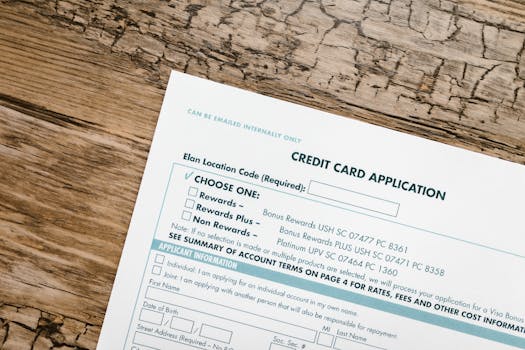
Most Nigerians know someone juggling financial setbacks, where the topic of bad credit loans makes its way into everyday conversations, and the search for fair options becomes personal.
Financial choices influence future opportunities. Whether facing unexpected bills or planning aspirations, understanding different loan types rests at the heart of financially sound decisions in Nigeria.
This article breaks down what really separates bad credit loans and standard credit loans, offering practical advice, steps, and comparisons anyone can apply or discuss with confidence.
Seeing the loan field through a Nigerian lens clarifies practical differences
Every borrower faces rules from lenders, but the criteria for bad credit loans can shift expectations and possibilities, especially when traditional options feel just out of reach.
Standard credit loans reward solid histories, while bad credit loans focus on giving a second chance. Recognise these categories and you’ll find the loan market less intimidating.
What sets bad credit loans apart for urban and rural Nigerians
Lagos bus drivers and Enugu school teachers alike try bad credit loans when setbacks put mainstream banking out of reach; they value accessibility, despite higher rates or shorter terms.
Many lenders in Nigeria post specific requirements — but with bad credit loans, applicants get a crack at emergency finance if they can show a steady monthly income.
Unlike the formal tone and paperwork needed for bank loans, bad credit loans are usually available through straightforward forms online, with results in a matter of hours or days.
Contrasting approval steps: From strict banks to flexible micro-lenders
If you walk into a bank asking for a loan, staff will request detailed statements, a clean credit record, and sometimes two guarantors — standard practice for standard credit loans.
Micro-lenders, fintechs, and cooperative societies offering bad credit loans often require only proof of employment, identification, and sometimes a utility bill, skipping detailed credit checks entirely.
This flexibility feels like extra breathing space; borrowers say, “I finally got the money without five days of endless requests,” and that immediacy shapes daily financial choices.
| Criteria | Bad Credit Loans | Standard Credit Loans | Takeaway |
|---|---|---|---|
| Interest Rate | Higher | Lower | If your score is low, budget for more interest. |
| Approval Speed | Fast (1-3 days) | Moderate (3-7 days) | Need cash quick? Bad credit loans move faster. |
| Credit Score Needed | No/minimal | Strict requirements | No strong credit? Start with bad credit loans. |
| Collateral | Rarely required | Sometimes required | No property to pledge? Bad credit loans may work. |
| Repayment Length | Shorter | Longer | Plan for quicker payback on bad credit loans. |
Strategic decisions: Choosing the right loan for life’s scenarios builds confidence
Picking between bad credit loans and standard credit loans depends on matching the loan features to your urgency, income patterns, and plans for repayment.
For unplanned expenses like medical bills, quicker access through bad credit loans may be the only realistic lifeline for Nigerians who prefer low paperwork.
Aligning loan features to urgent realities: script anyone can use
A mechanic in Abuja said, “When salary delays hit, I applied online for a quick bad credit loan by uploading my ID and utility bill. The funds arrived overnight.”
Scripts for borrowers: Say, “I’m looking for a bad credit loan. I have my bank statement and ID. Can you process today?” This direct approach is effective with micro-lenders.
- Request only what you need, to make repayment easier and reduce risk of overborrowing on any loan, especially bad credit loans that cost more over time.
- Confirm the interest, fees, and full repayment schedule before accepting any offer. This avoids last-minute surprises, which are common with hasty online loans.
- If asked for upfront payments, reject the offer — real lenders in Nigeria deduct fees from disbursed amounts, not before the process starts.
- Keep a repayment calendar to avoid late fees, which build up quickly, especially with short-term bad credit loans and their higher rates.
- Document every exchange: save signed agreements and emails, so you can dispute errors or clear your name if loan portal issues arise during repayment.
With rules like these, first-time borrowers avoid common traps and build a positive repayment record, which eventually repairs credit over time.
Standard loan planning checklist for Nigerians seeking larger sums
Start the process with records of regular savings and any property, as banks favour prepared applicants when reviewing standard credit loans for businesses or school fees.
Arrive early and dress formally to signal seriousness. Speak honestly about your income and state your goal. Bank officers appreciate precise figures over vague needs.
- Gather tax records and payslips, showing consistent income, as a strong record can unlock better rates in standard credit loans and increase negotiation power.
- Bring a guarantor if requested; select someone with a solid reputation who will answer calls from the bank, improving your approval odds greatly.
- Ask for detailed repayment period options; sometimes longer terms match your business cycles, even if they slightly raise the total interest payment.
- Request printed offers and compare interest rates and processing fees across at least three banks, instead of taking the first offer you receive.
- Clarify penalty fees for early or late repayment in writing to avoid future disputes with bank staff if business plans change or income fluctuates unexpectedly.
Following these actionable steps gives peace of mind — and negotiating for clarity now pays off in reduced stress later.
Repayment realities shift based on your loan type
The way repayment works for bad credit loans versus standard credit loans changes how borrowers manage monthly budgets and safeguard financial stability.
Quick repayments on bad credit loans demand tighter discipline. Standard credit loans let you space payments out, which helps with bigger, planned purchases or investments.
Managing bad credit loan repayments when cash flow feels thin
Set reminders on your phone or calendar at least three days before each due date, as bad credit loans penalise missed payments aggressively, compounding fees almost immediately.
Maintain a visible list of all your debts and their payment cycles — seeing the full picture at a glance deters overcommitting to multiple loans at once.
If you risk missing repayment, contact your lender in advance, request a rollover, and document the agreement, using clear SMS or WhatsApp messages for a paper trail.
Space out larger expenses with standard repayment plans
Standard credit loans sometimes build in monthly reminders by SMS, which banks use to nudge borrowers about repayments, reducing default rates for structured, large loans.
Consider linking repayments to salary dates, so funds hit your account before loan deductions, avoiding negative balances or embarrassing bank alerts.
Keep salary slips and payment confirmations. Show them to lenders if disputes arise, making it easy to prove payment was made on time — clarity resolves confusion quickly.
Side-by-side: When bad credit loans become the practical choice
Bad credit loans suit urgent fixes, short-term emergencies, and for borrowers with limited formal employment history or a recently damaged credit score.
Many students, small traders, and entry-level workers in Nigeria view bad credit loans as their only accessible option during financial speed bumps, despite cost concerns.
Everyday analogies: umbrellas for rainy days vs. savings for sunshine
Picture bad credit loans as an umbrella grabbed when a sudden rainstorm hits, while standard loans act more like sunscreen, planned before heading into the sun.
If an unexpected hospital bill lands, a quick bad credit loan covers the payment today, while a standard loan waits for paperwork tomorrow.
Managing both types wisely means you’re never caught out in the rain, but also avoid sunburn from slow paperwork or missing urgent deadlines.
Practical script: Choosing your loan in real conversations
“Bank asked for my full file again. Micro-lender only needed my latest payslip. I chose the bad credit loan, aware I’ll pay more but it solved my crisis fast.”
Comparing simple conversations like this helps borrowers skip hours of frustration and weighs bad credit loans as a very real support during setbacks, despite the higher cost.
Always confirm you’ll pay the loan within its shorter cycle. If not, consider if a family loan or overtime work covers your need in a less expensive way.
Long-term impacts: Building or rebuilding credit in Nigeria requires steady payment habits
Loan repayment history, especially of bad credit loans and standard credit loans, shapes your borrowing potential for the future in Nigeria’s growing credit economy.
Showing timely repayment on any loan, even small bad credit loans, builds trust and gradually improves your credit profile with both micro-lenders and banks alike.
Turning small bad credit loans into future opportunities
Repay each bad credit loan before taking another — this discipline signals to lenders you’re a reliable customer, which unlocks better loan terms over time.
Save all receipts and payment confirmations, digital or paper, because clear records help resolve any discrepancies that could hurt your reputation later.
Rebuilding credit is a step-by-step journey. Even tiny improvements in your score boost chances for standard credit loans, reducing interest costs and expanding options.
Building a mixed strategy that fits the Nigerian lifestyle
Pair standard credit loans for education or major purchases with short-term bad credit loans for emergencies, as having both tools in your financial toolkit spreads risks wisely.
Review your borrowing portfolio every three months; close out small debts early to maintain room for larger, purposeful loans as new needs or opportunities arise.
This regular review habit — much like checking with neighbours before buying new farm equipment — saves time, money, and reputation in the Nigerian context.
Reflecting on your next move: Smarter loan choices stand the test of time
Distinguishing bad credit loans from standard credit loans sets the groundwork for making thorough, no-regret financial decisions, whatever your history or goals.
Each loan type plays a role, whether bridging a temporary gap or fuelling a major step forward. Recognising your own situation guides better, more confident choices.
Staying diligent with repayments, seeking clarity with lenders, and reviewing your finances regularly ensures Nigerian borrowers walk the path to increased stability and trust.